CHW Info

FAQS
Frequently Asked Questions for
Community Health Workers (CHWs) in Nevada
What is a Community Health Worker (CHW)?
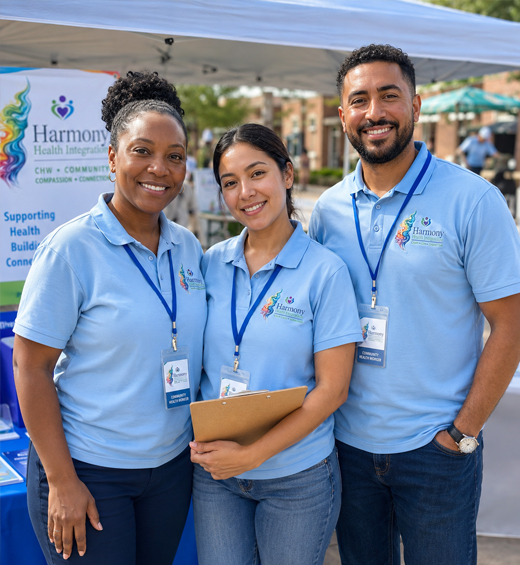
A Community Health Worker is a trusted frontline public health worker who helps connect individuals and families to healthcare, social services, education, and community resources. CHWs often serve as advocates, educators, care coordinators, and support systems within their communities.
What does a Community Health Worker do?
CHWs help people:
• Access healthcare and social services
• Understand medical instructions
• Navigate Medicaid and insurance systems
• Find housing, food, transportation, and behavioral health resources
• Improve chronic disease management
• Receive health education and support
Many CHWs also conduct outreach, home visits, referrals, follow-ups, and case coordination.
What is the difference between a CHW and a case manager?
A CHW focuses on community outreach, education, advocacy, trust-building, and helping clients navigate systems. A case manager usually has a clinical or licensed role and manages treatment plans, medical coordination, and healthcare documentation.
CHWs often work alongside case managers as part of a healthcare team.
Can CHWs provide medical advice?
No. CHWs are generally non-licensed professionals and should not diagnose conditions or provide medical advice unless specifically authorized within their training and organization policies.
What populations do CHWs commonly work with?
CHWs may work with:
• Homeless individuals
• Seniors
• Veterans
• Medicaid recipients
• People with chronic illnesses
• Individuals with mental health or substance use challenges
• Pregnant women and children
• Formerly incarcerated individuals
• Underserved communities
Nevada CHW Certification
Does Nevada require CHW certification?
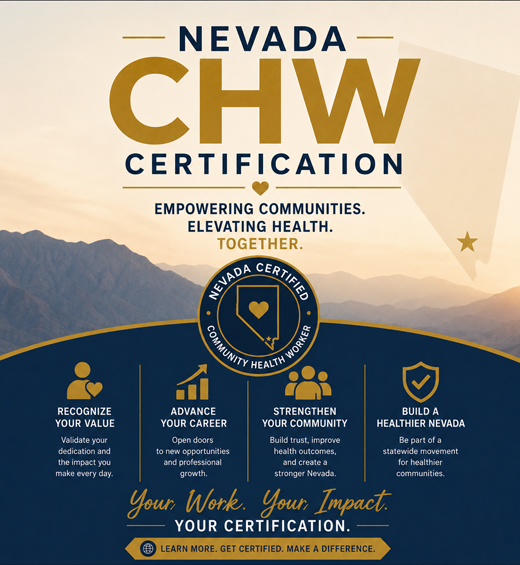
Nevada offers CHW certification through the Nevada Certification Board. Some employers require certification, while others provide on-the-job training.
What is the difference between CHW I and CHW II in Nevada?
CHW I is the entry-level certification.
CHW II requires additional education, training, competency hours, and advanced skills.
CHW II certification may help qualify workers for supervisory or advanced care coordination positions.
How do I become a certified CHW in Nevada?
Typically, you must:
1. Complete approved foundational
2. Meet Nevada residency or employment requirements
3. Agree to the CHW Code of Ethics
4. Submit an application and fees to the Nevada Certification Board
Additional training is required for CHW II certification.
Where can I take CHW training in Nevada?
Approved training program:
• College of Southern Nevada
How much does CHW certification cost in Nevada?
Nevada CHW certification fees currently include:
• CHW I Application: $75
• CHW II Application: $150
• Renewal Fees: $50
A late fee of $50 will be added to renewals that have been expired for 30 days.
Do CHWs need continuing education in Nevada?
Yes. Nevada regulations require continuing education for renewal and ongoing competency development. Some CHW positions also require annual training hours.
Medicaid & Healthcare
Can CHWs bill Medicaid in Nevada?
Nevada law allows Medicaid reimbursement for certain CHW services under approved supervision models, such as supervision by physicians, physician assistants, or advanced practice registered nurses.
What types of services can CHWs help with?
CHWs commonly assist with:
• Care coordination
• Appointment reminders
• Medication support
• Transportation resources
• Chronic disease education
• Social determinants of health
• Behavioral health support
• Referrals to housing and food resources
What are social determinants of health?
Social determinants of health are conditions that affect health outcomes, including:
• Housing
• Food access
• Transportation
• Employment
• Education
• Safety
• Access to healthcare
CHWs often help clients address these barriers.
Can CHWs work in hospitals?
Yes. CHWs work in:
• Hospitals
• Clinics
• Nonprofits
• Behavioral health agencies
• Managed care organizations
• Public health departments
• Community outreach programs
• Homeless service organizations
Are CHWs part of the healthcare team?
Yes. CHWs often collaborate with:
• Nurses
• Doctors
• Social workers
• Therapists
• Case managers
• Care coordinators
• Behavioral health professionals
Outreach & Documentation
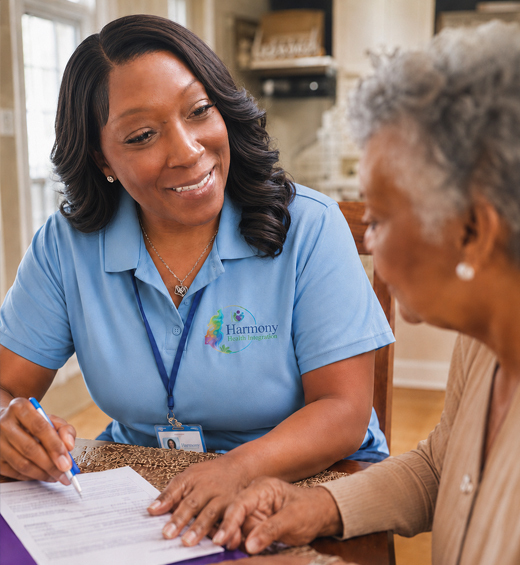
What should CHWs document after client interactions?
Documentation may include:
• Date and time of contact
• Services provided
• Referrals made
• Client goals
• Barriers identified
• Follow-up plans
• Progress notes
Always follow HIPAA and employer policies.
What is HIPAA and why is it important for CHWs?
HIPAA is a federal law that protects patient privacy and health information. CHWs must protect confidential client information and avoid sharing protected health information without authorization.
Can CHWs perform home visits?
Yes. Home visits are common in many CHW programs and may include:
• Wellness checks
• Education
• Resource support
• Follow-up care
• Safety assessments
What should a CHW do if a client is in crisis?
CHWs should follow organizational protocols and immediately contact:
• Emergency services (911)
• Crisis teams
• Supervisors
• Behavioral health professionals
CHWs should avoid working outside their scope of practice.